
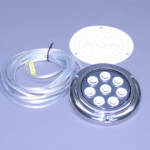
Exhaust Manifolds Systems
-
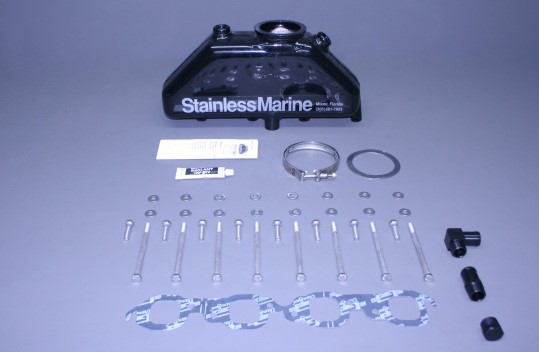
BB Hi-Torque Exhaust Manifolds
$1,274.00 $1,274.00 Add to cart -
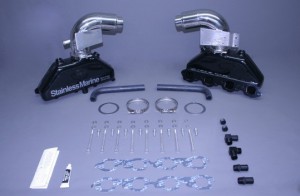
BB Exhaust Manifolds w/3” Taller than STD S/S Risers w/Brackets Kit
$4,021.00 $4,021.00 Add to cart -
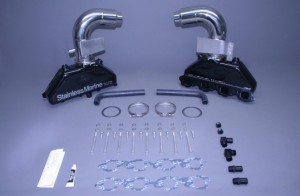
Set Of BB Manifolds With 6″ Taller Stainless Risers With Brackets
$4,240.00 $4,240.00 Add to cart -
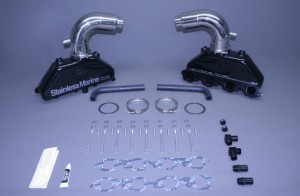
BB Exhaust Manifolds w/3” Taller than STD S/S Steel Risers Kit
$3,800.00 $3,800.00 Add to cart -
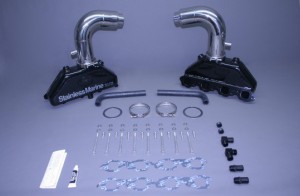
BB Exhaust Manifolds w/6” Taller than STD S/S Risers Kit
$4,090.00 $4,090.00 Add to cart -
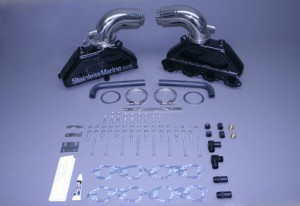
Set Of BB Manifolds With Standard Stainless Risers
$3,380.00 $3,380.00 Add to cart -
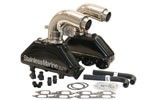
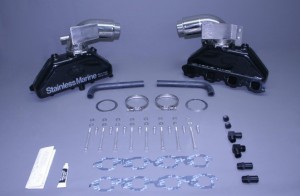
BB Block Exhaust Manifolds w/STD S/S Risers & Brackets Kit
$3,662.00 $3,662.00 Add to cart -
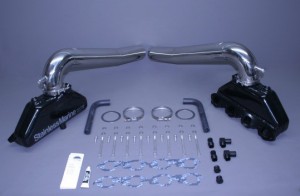
BB Exhaust Manifolds w/Thru Transom S/S Risers Built to Fit Kit
$4,450.00 $4,450.00 Add to cart -
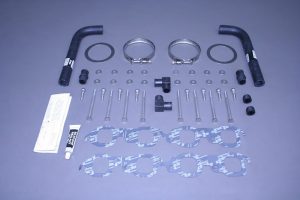
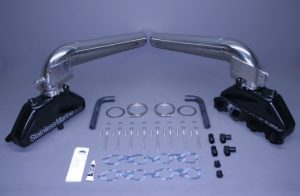
BB Exhaust Manifolds w/Thru Transom S/S Risers & Brackets BTF Kit
$4,732.00 $4,732.00 Add to cart
Exhaust Manifolds Systems
-
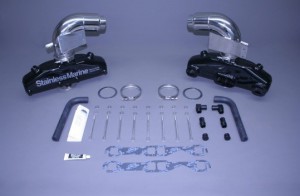
SB Manifolds w/3” Taller than STD S/S Risers & Brackets Kit
$3,330.00 $3,330.00 Add to cart -
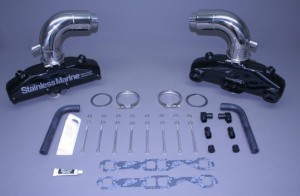
SB Manifolds w/3” Taller than STD S/S Risers Kit
$3,047.00 $3,047.00 Add to cart -
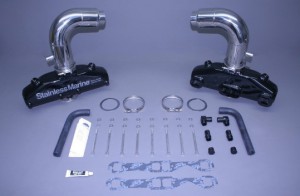
SB Manifolds w/6” Taller than STD S/S Risers Kit
$3,112.00 $3,112.00 Add to cart -
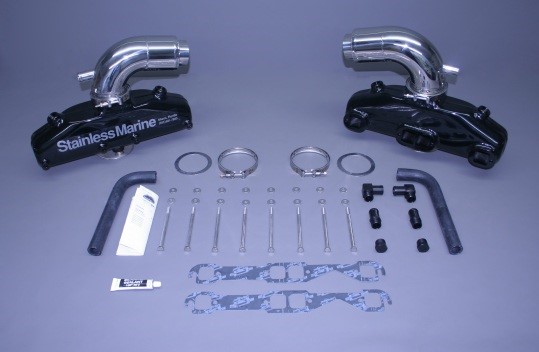
Set Of SB Manifolds With Standard Stainless Risers
$2,690.00 $2,690.00 Add to cart -
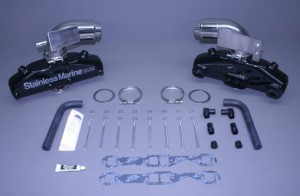
SB Manifolds w/Stainless Steel Risers & Brackets Kit
$2,970.00 $2,970.00 Add to cart -

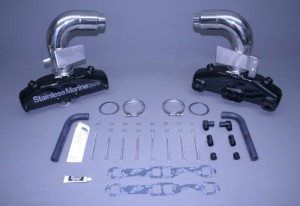
Set Of SB Manifolds With 6″ Taller Stainless Risers With Brackets
$3,395.00 $3,395.00 Add to cart -
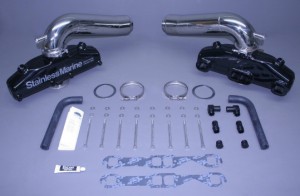
Set Of SB Manifolds With Long Stainless Risers Built To Fit
$3,250.00 $3,250.00 Add to cart -
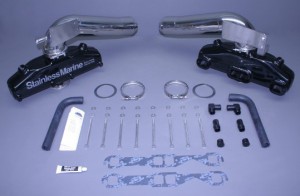
SB Exhaust Manifolds w/Long S/S Risers & Brackets BTF Kit
$3,534.00 $3,534.00 Add to cart -
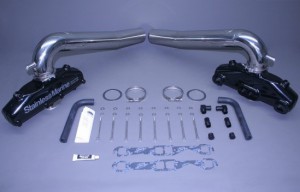
SB Manifolds w/Thru Transom S/S Steel Risers BTF Kit
$3,662.00 $3,662.00 Add to cart -
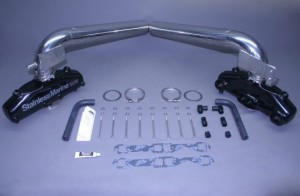
SB Exhaust Manifolds w/Thru Transom S/S Risers & Brackets BTF Kit
$3,945.00 $3,945.00 Add to cart -
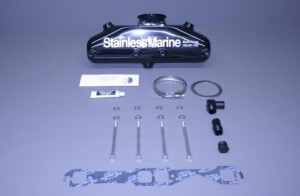
SB Hi-Torque Exhaust Manifold Kit
$897.00 $897.00 Add to cart
Exhaust Tips / Flaps
-
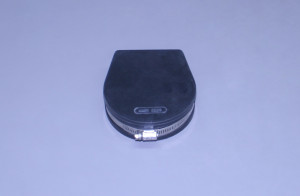
4″ External Flap – Salisbury Style
$33.50 $33.50 Add to cart -
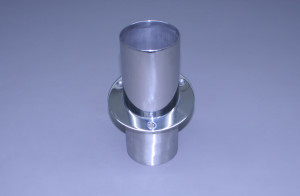
4″ Exhaust Tip Straight Flange / Straight End
$103.95 $103.95 Add to cart -
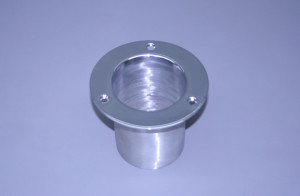
4″ Exhaust Tip Straight Flange / Flush End
$115.50 $115.50 Add to cart -
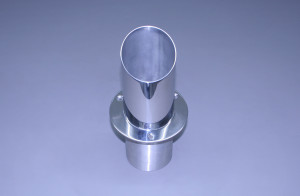
4″ Exhaust Tip Straight Flange / 30° Angled End
$103.95 $103.95 Add to cart -
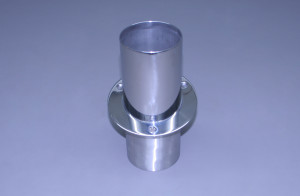
4” Exhaust Tip angled flange – 12° /straight end
$115.80 $115.80 Add to cart -
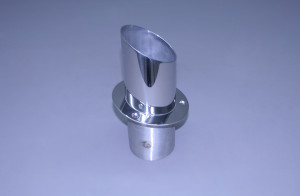
Polishing Charge For 4″ Exhaust Tip
$75.90 $75.90 Add to cart -
4” Exhaust Tip angled flange–12° /angled end–30°
$115.50 $115.50 Add to cart
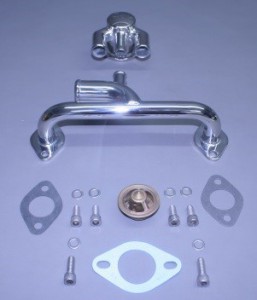
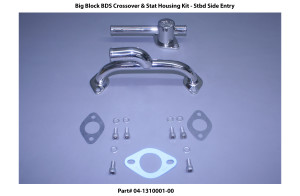
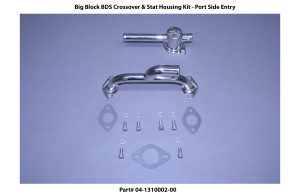
Crossover & Stat Housing Kits
Outboard Engine Brackets
-
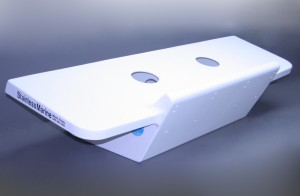
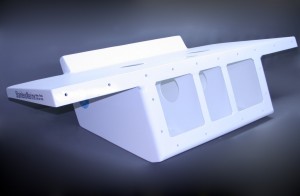
32” Twin Engine Bracket with 82” Wide Platform Black – 13 Degree
$7,165.62 $7,165.62 Add to cart -
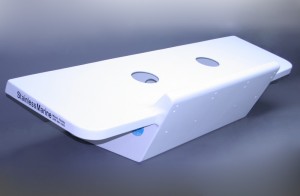
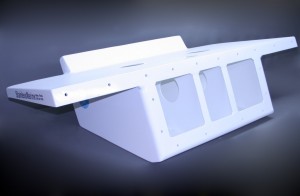
32” Twin Engine Bracket with 82” Wide Platform Black – 15 Degree
$7,165.62 $7,165.62 Add to cart -
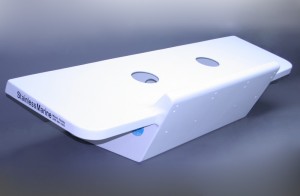
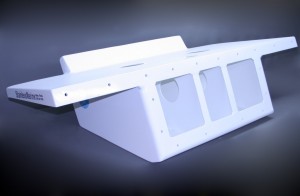
32” Twin Engine Bracket with 82” Wide Platform Off-white -13 Degree
$7,165.62 $7,165.62 Add to cart -
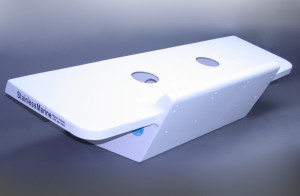
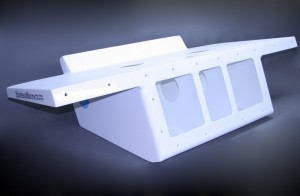
32” Twin Engine Bracket with 82” Wide Platform Off-white -15 Degree
$7,165.62 $7,165.62 Add to cart -
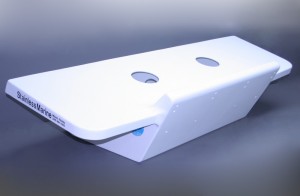
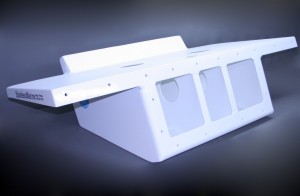
32” Twin Engine Bracket with 82” Wide Platform Black -11 Degree
$7,165.62 $7,165.62 Add to cart -
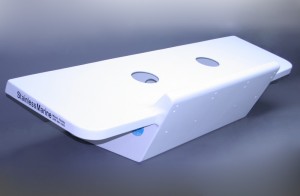
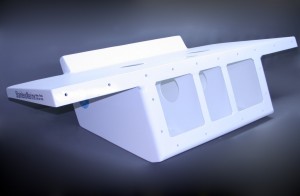
32” Twin Engine Bracket with 82” Wide Platform White -15 Degree
$7,165.62 $7,165.62 Add to cart -
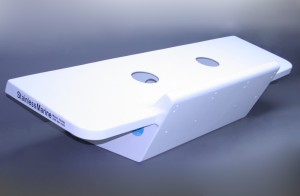
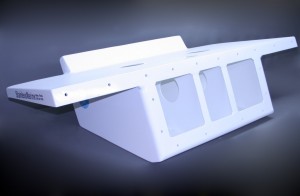
32” Twin Engine Bracket with 82” Wide Platform Off-white -11 Degree
$7,165.62 $7,165.62 Add to cart -
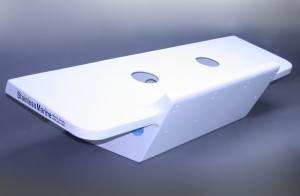
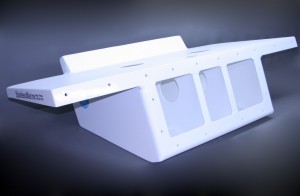
32” Twin Engine Bracket with 82” Wide Platform White -13 Degree
$7,165.62 $7,165.62 Add to cart -
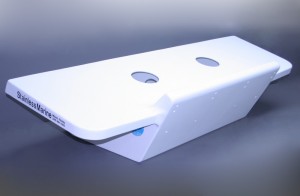
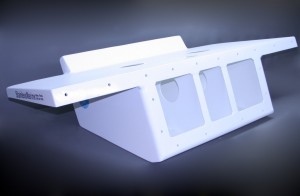
32” Twin Engine Bracket with 82” Wide Platform White -11 Degree
$7,165.62 $7,165.62 Add to cart -
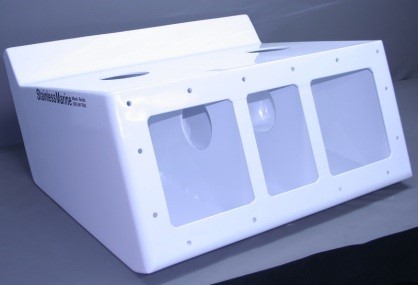
32” Twin Engine Bracket Black – 11 Degree
$5,140.00 $5,140.00 Add to cart -
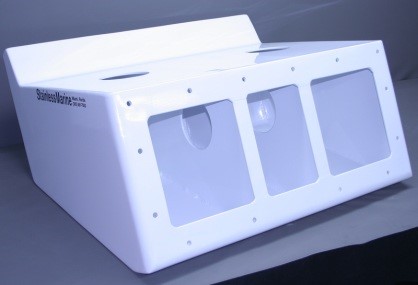
32” Twin Engine Bracket Black – 15 Degree
$5,140.00 $5,140.00 Add to cart -
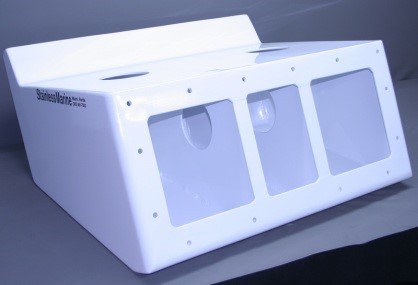
32” Twin Engine Bracket Off-white – 13 Degree
$5,140.00 $5,140.00 Add to cart -
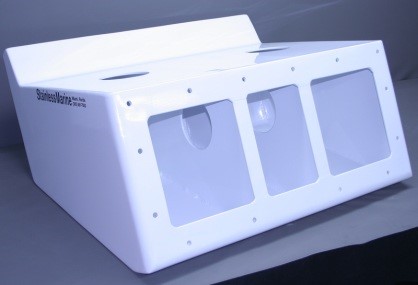
32” Twin Engine Bracket Off-white – 15 Degree
$5,140.00 $5,140.00 Add to cart -
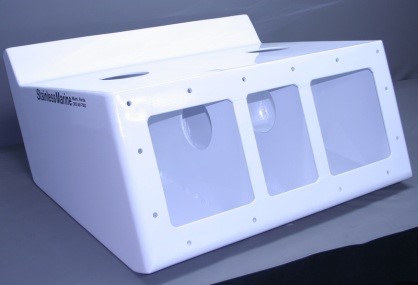
32” Twin Engine Bracket White – 11 Degree
$5,140.00 $5,140.00 Add to cart -
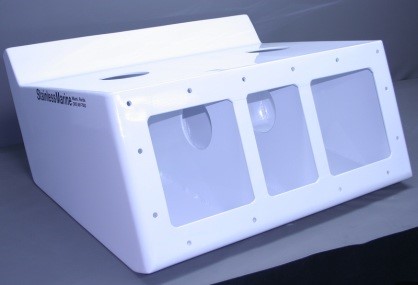
32” Twin Engine Bracket White – 13 Degree
$5,140.00 $5,140.00 Add to cart -
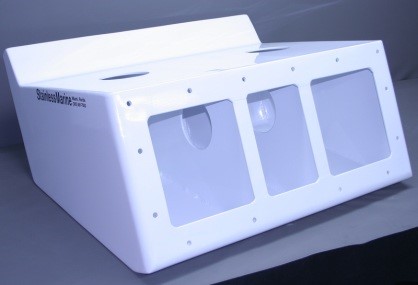
32” Twin Engine Bracket White – 15 Degree
$5,140.00 $5,140.00 Add to cart -

32” Twin Engine Bracket Off-white – 11 Degree
$5,140.00 $5,140.00 Add to cart